 FDIC-Insured – Backed by the full faith and credit of the U.S. Government
Recognize the Warning Signs
Scammers are constantly finding new ways to steal money and personal information.
Be cautious of these common types of scams:
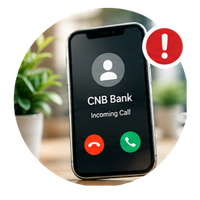
Bank Impersonation Scams
Someone pretending to be your bank, a government agency, or a trusted company.
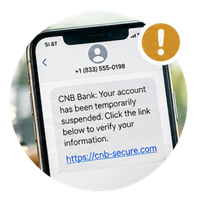
Phishing, Smishing, and Vishing
Fake emails, text messages, or phone calls designed to steal your information.
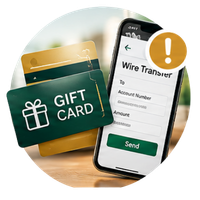
Urgent Payment Requests
Demands to send money through giftcards, wire transfers, cryptocurrency, or payment apps.

Online Shopping Scams
Fake websites, misleading ads, and deals that seem too good to be true.

Romance & Investment Scams
Someone building your trust before requesting money or promising unrealistic returns.
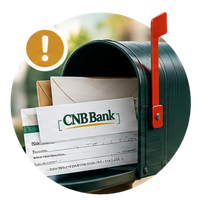
Check Fraud & Mail Theft
Stolen checks, altered payments, or counterfeit checks using your account information.
Know the Red Flags
Scammers often create a sense of urgency and may try to disguise their identity through phone numbers, email addresses, and websites that look legimate.
Common warning signs include:
Unexpected contact from someone you don't know
Pressure to act immediately
Requests for personal or financial information
Suspicious links, attachments, or QR codes
Payment methods like gift cards, wire transfers, or cryptocurrency
Caller ID or email addresses that look similar to legitimate companies
Requests to keep the conversation a secret
Verify Before You Act
Take a few extra minutes to verify the situation can help prevent financial loss.
Protect Your Accounts with
CNB Now
Take advantage of our digital banking tools to help keep your accounts and personal information secure.
Suspect Fraud?
Take action immediately.
If you believe you have encountered a scam or your financial information has been compromised:
Contact CNB Bank at 1-304-258-1520.
Secure your accounts and change compromised passwords.
Review recent transactions for unauthorized activity.
Report the scam to the Federal Trade Commission at ReportFraud.ftc.gov.
If your personal information was stolen, visit IdentityTheft.gov for a recovery plan.
Additional Resources:
Federal Trade Commission (FTC)
Learn about common scams, identity theft, and how to report fraud.
Federal Deposit Insurance Corporation (FDIC)
Consumer news and resources on protecting your finances.
fdic.gov >